
Rising Concerns Over Inflation and Fuel Costs in the United States
President Donald Trump is facing growing political pressure after comments about Iran and the U.S. economy triggered strong reactions across the country.
While departing the White House, Trump was asked whether Americans’ financial struggles were influencing his approach toward Iran. The president responded that his primary concern was preventing Iran from obtaining a nuclear weapon, saying he was “not thinking about Americans’ financial situation.”
The remarks quickly fueled debate as inflation, fuel prices, and household costs continue rising amid escalating tensions involving Iran.
Trump’s Comments Draw Criticism
During the press exchange, President Trump stated:
“The only thing that matters when I’m talking about Iran is they cannot have a nuclear weapon.”
The comments immediately sparked criticism from political opponents and economic analysts who argue that millions of Americans are struggling with higher living costs.
Critics say the administration appears disconnected from the financial pressure facing everyday families as gas prices and consumer costs continue climbing nationwide.
Gas and Diesel Prices Continue to Climb
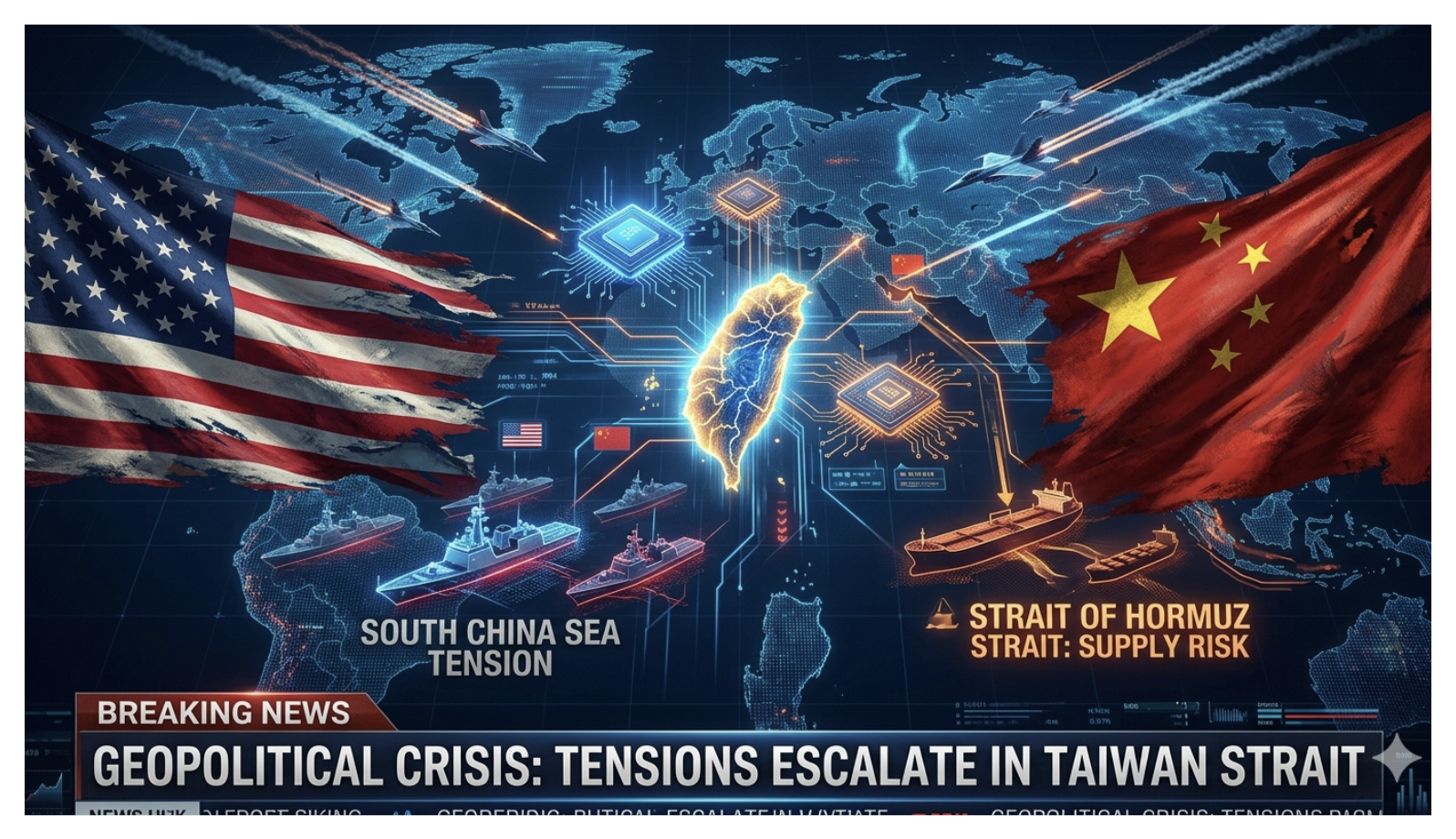
Economic concerns intensified after rising instability around the Strait of Hormuz disrupted global oil markets.
According to energy analysts:
- U.S. gas prices have climbed above $4.50 per gallon nationally.
- Diesel prices in several states have surged past $6 per gallon.
- Transportation and shipping costs are increasing food and grocery prices.
Experts warn that prolonged tensions in the Middle East could continue pushing inflation higher in the coming months.
Americans Feeling the Pressure
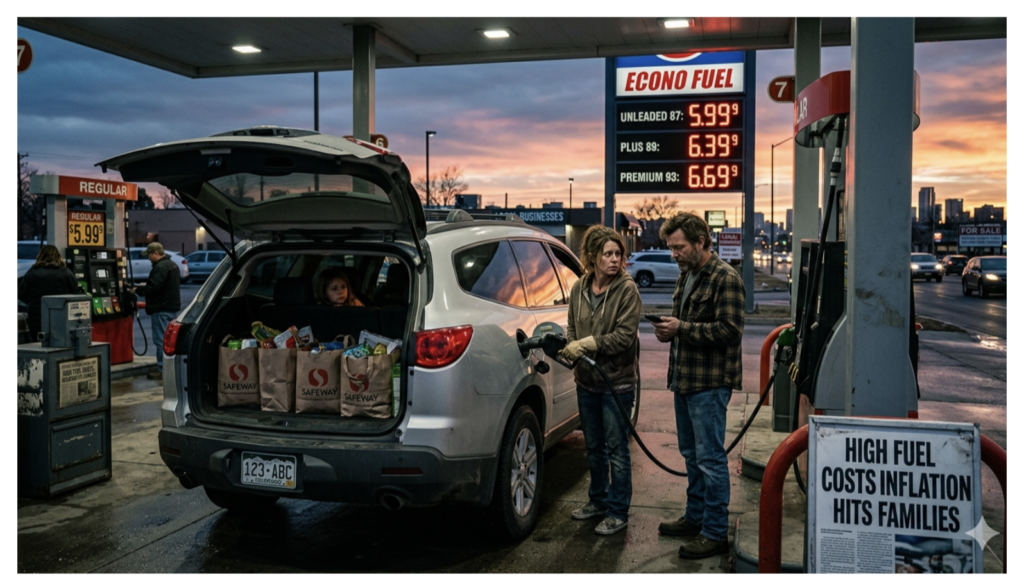
Across the country, many Americans say wages are no longer keeping pace with rising expenses.
Consumers report increasing costs in:
- Groceries
- Gasoline
- Utility bills
- Air travel
- Healthcare
- Everyday household goods
Economic commentators describe the situation as “feeling economics” — an economy people experience directly in their daily lives regardless of broader economic statistics.
CNN Poll Shows Declining Confidence in the Economy
Recent polling data suggests growing public frustration over the economy and inflation.
Key findings include:
- Trump’s economic approval ratings have dropped significantly.
- Voters are increasingly concerned about fuel prices.
- Many Americans believe tensions with Iran are negatively affecting their finances.
Political analysts say economic concerns could become a major issue heading into upcoming U.S. elections.
Pressure Builds on China to Influence Iran
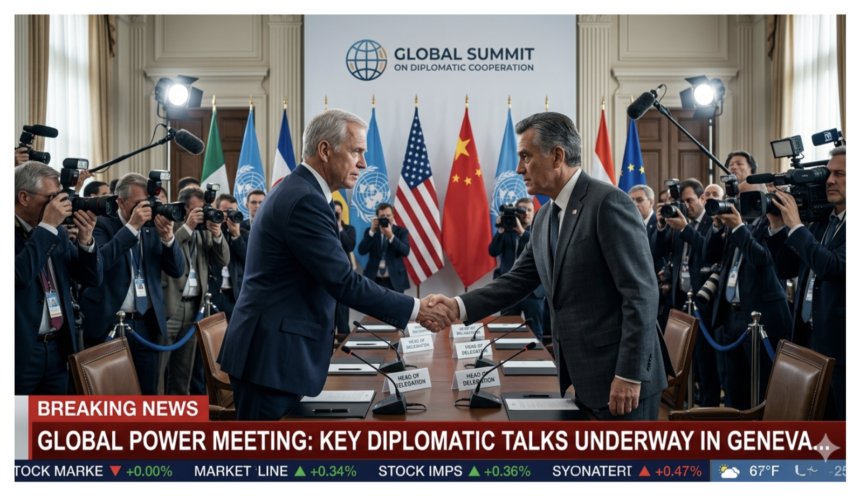
Some Republican lawmakers believe China could play a major role in reducing tensions because China remains one of the largest buyers of Iranian oil.
Officials argue that:
- China has economic leverage over Iran.
- Reopening oil shipping routes could stabilize energy markets.
- Lower oil prices may eventually reduce inflation pressure in the United States.
However, experts caution that any recovery in fuel prices may take months.
Democrats Attack Republican Economic Strategy
Democratic leaders have sharply criticized the administration’s handling of the economy.
Opponents argue that:
- Americans did not want another costly international conflict.
- Rising fuel prices are hurting working-class families.
- The government has failed to provide meaningful economic relief.
Democrats say voters are focused less on political messaging and more on the real-world costs they face every day.
Will Gas Prices Fall Soon?
Some Republican officials remain optimistic that energy prices could stabilize later this year if geopolitical tensions ease.
Analysts say prices may decline if:
- Middle East tensions cool down,
- Oil shipments fully resume,
- And global supply chains normalize.
Still, energy experts warn that uncertainty remains high and consumers may continue facing elevated prices for the foreseeable future.
Conclusion
The Iran crisis is no longer only a foreign policy issue — it is increasingly becoming an economic issue affecting millions of Americans.
As fuel prices rise and inflation pressures continue, the political stakes for the White House are growing rapidly. Voters are watching closely to see whether the administration can ease economic concerns before they become an even larger national issue.